BELLAGIO: THE ARTWORK REQUISITIONED BY THE FUHRER
“You can exterminate an entire generation… burning their houses… and they will find a way back. But if you destroy their culture, it is as if they never existed. This is what Hitler wants, and this is exactly what we are fighting against”
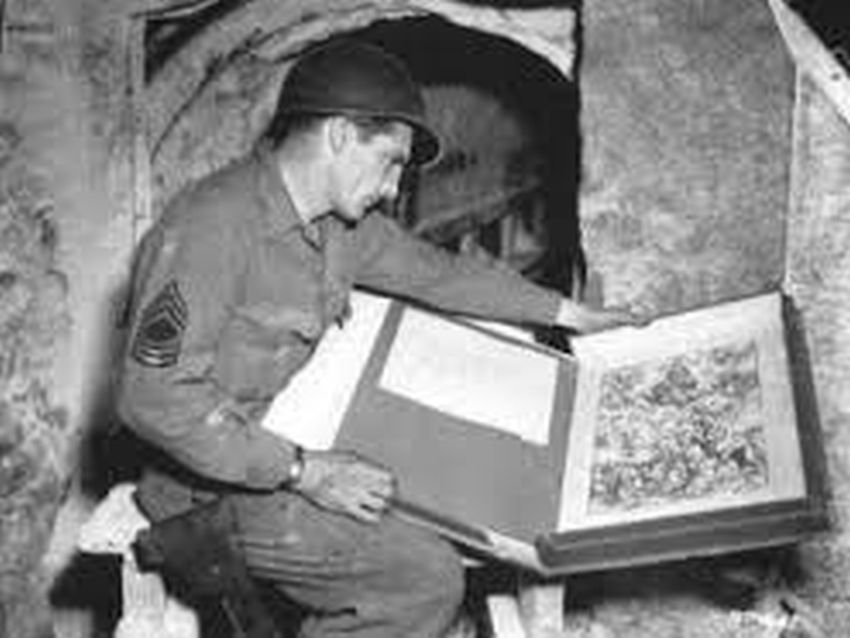
They went down in history as the Monuments Men. Three hundred and fifty brave men and women from thirteen different countries who, between 1943 and 1951, served at the MFAA (Monuments, Fine Arts and Archives); a group of cultured and passionate people serving in the Allied armies during the Second World War and sent to Europe, which had become a battlefield, with a precise mission: to recover the masterpieces of art.
In the spring of 1944, the members of this new unit met in Shrivenham, Great Britain, to train for the rescue mission. After landing in Normandy together with the other troops at the beginning of June, the Monuments Men reached churches, castles, convents, affixing the famous sign addressed to colleagues engaged in military operations: “Off Limits. To all military personnel: Historic building!”.
The “looting” claimed in 1942 by Reichsmarshall Hermann Göring, the main Nazi raider besides Adolf Hitler, did not even spare “That branch of Lake, which turns towards the south”; Bellagio also had its “Monuments Men”.
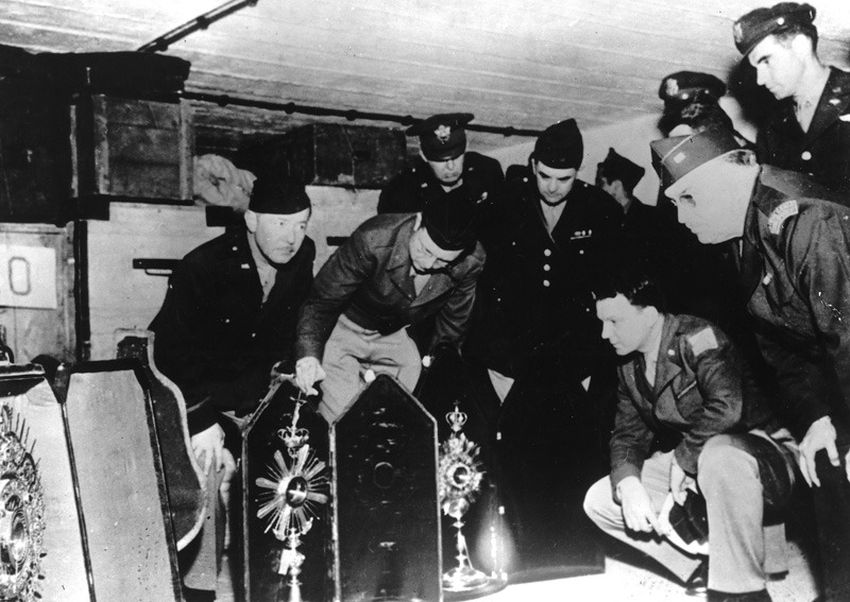
While Frank Stokes, the art historian who was commissioned by Roosevelt to lead a group of experts in the recovery of stolen artwork, was not around the Lario (or Lake Como), superintendent Guglielmo Pacchioni played a similar role in Bellagio as of September 8th; he worked in a historical period in which Italy was divided in two and the territory of the Republic of Salò was under bombing.
With the help of his collaborators, he hid numerous pieces of art from the Germans both in the basement of Villa Giulia and in the tunnels of the Basilica of San Giacomo.
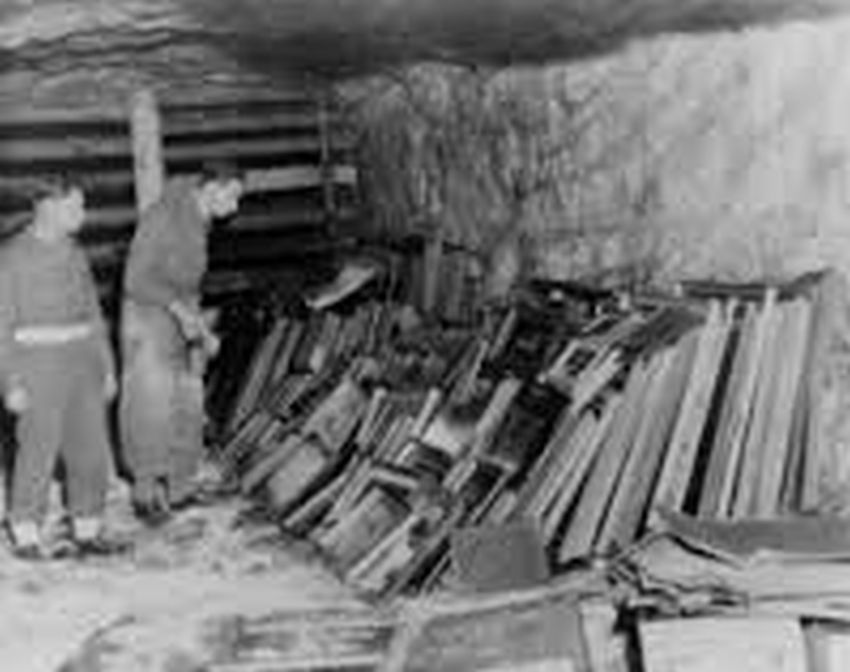
A group of friends, who are passionate about history, worked on reconstructing the events that revolve around Villa Giulia.
At the root of it all, there is a synthetic and curious research that sheds light on one of the most painful two-year periods of the last century. On the one hand, the events of great History are intertwined with the aspects of daily life on the Lario, on the other hand the important names of the international scene (high-sounding names of the army, industry and world diplomacy) with the sufferings, difficulties and pettiness of the daily struggle in Tremezzina.
The research focuses on the two-year period 1943-1945, when the Pearl of the Lario (Bellagio) became the seat of the embassies of the nations that recognized the Republic of Salò. In Bellagio, at Villa Giulia, facilities of the German Command and a Military Aviation base were established. In Limonta, a hamlet of Oliveto Lario, the Todt Organization was settled, giving life to a sort of “construction company” at the service of Nazi Germany.
Therefore, Bellagio became a “village of diplomats”. Among these, a fundamental role was played by the Japanese ambassador, Baron Sinokuro Hidaka. His was linked to Mussolini, being the intermediary between Salò’s politics and Emperor Hirohito. He was also instrumental in the negotiations with the Americans after the surrender.
His diplomatic “immunity” led him to be the custodian of important documents, even obtained from the Duce himself, and of other “important secrets”, such as the personal correspondence between Churchill and Mussolini.
On the Lario, Hidaka became known for his great admiration for the works of the founder of Futurism Filippo Tommaso Marinetti (Hidaka would become a patron for Marinetti), and the two became close friends. Marinetti stayed for a long time in Bellagio with his family, protected and financially supported by Hidaka, and died there on December 2nd, 1944.
As for the Germans, it is worth mentioning the so-called “Bellagio Agreement” stipulated in October 1944 between the Republic of Salò and Nazi Germany. This agreement equalized the rights and duties of imprisoned Italian workers with German ones and provided for the subsequent possible repatriation of imprisoned workers and soldiers. Thus, the Italians went to replace the Germans called to the front, further shrinking a workforce already decimated by the call to arms and the partisan struggles.
The testimonies of ordinary people are touching. For example, a little boy, Teofilo Taccagni, remembers his father, a teacher in Bellagio, who was desperate to see his students engaged in a fratricidal war because, after sitting at the same desks, they lined up in different factions (republicans and partisans). Also important are the memories of acts of solidarity towards those fleeing the war, such as Jews and deserters. They were often hidden and cared for by the local population, who became at risk of reprisals. These are small examples that contrast with the fury of war and that must not be forgotten.
On October 3rd, 1945, our “Monument Man” Pacchioni informed the deputy commissioner Cappuccio as follows: “No painting belonging to this Pinacoteca has been stolen by the Nazi-Fascists”
He was referring to the paintings in the Pinacoteca of Brera, the 41 crates in the Museo della Scala and Guttuso’s “Crucifixion” or “The Ecstasy of Santa Cecilia” hidden in Villa Giulia despite having been requisitioned by the German Commander. It is thanks to these men that today we can still admire these pieces of art in our country.
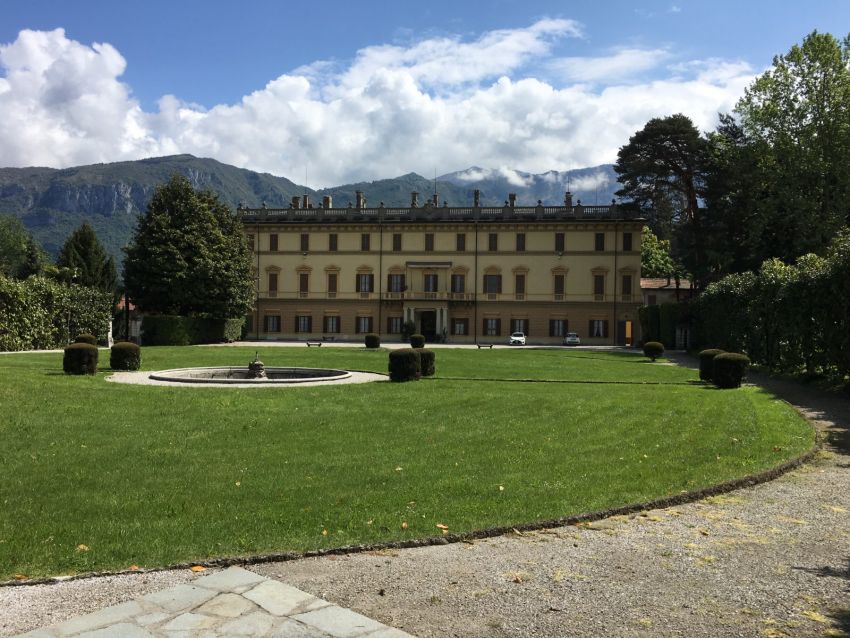
VILLA GIULIA
Villa Giulia is one of the most beautiful villas in Bellagio which, with its immense park, overlooks both branches of the Lario. It was built by the architect Iacopo Masino at the behest of Count Pietro Venini, who dedicated the building to his wife Giulia. Then, for a short time, it became the property of the King of Belgium Leopold I, who embellished especially the park.
From the docks of Loppia, the “avenue” of access to the villa runs for over 850 meters, with one hundred stone steps that make up the “scalotta”. The park of the villa includes the forest that extends to Visgnola and the ancient orchard, now an olive grove, which connects it to the hamlet of Pescallo and which includes the ancient Villa Ciceri and its park.
Important landscape changes also included the leveling of some areas surrounding the villa and the construction of symmetrically designed avenues and flowerbeds in front of the façade of the building.
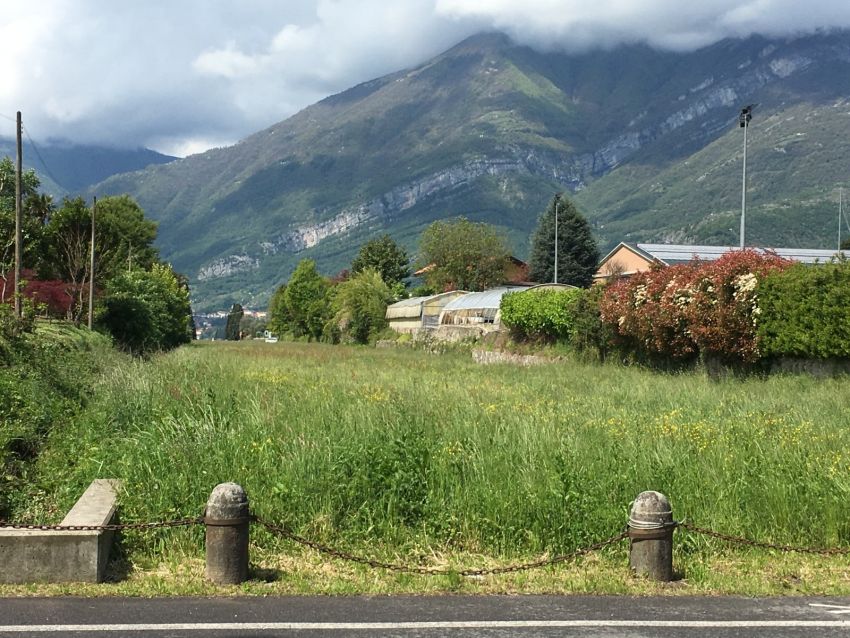
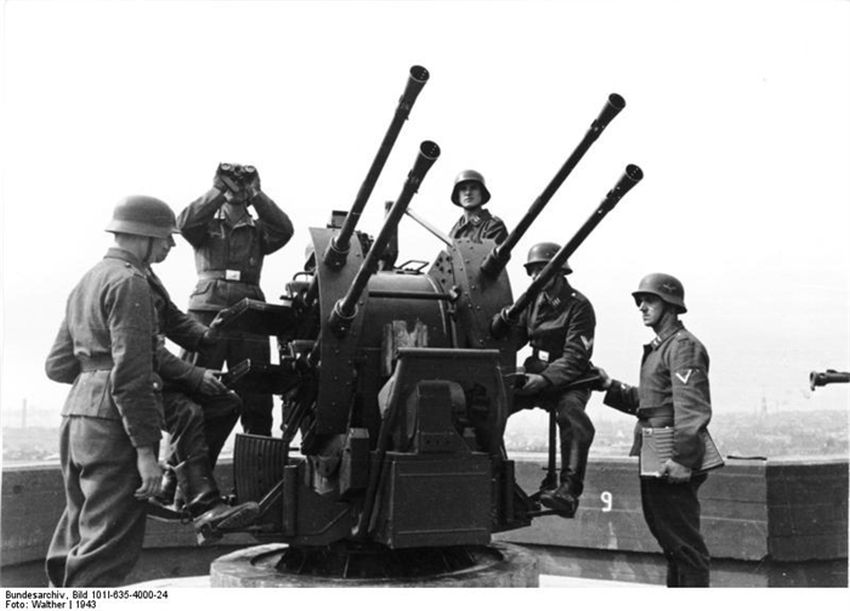
During the Second World War, the Villa was requisitioned by the Germans and was the seat of a command under the responsibility of Field Marshal Rommel, who was already a lieutenant in the African campaign. The before-mentioned avenue of this immense property, called “the Vialone”, allowed full visibility and access to both branches of the Lario; for this reason, it was used as an airstrip for the German Storch (the Storks) planes.
OUR HISTORY
A premise must be made to what we are about to narrate. We are a group of enthusiasts of military history of the Second World War; our love for history and diving pushes us to venture into these, allow us the term, undertakings.
We have little historical evidence on the subject; we discovered what happened at that time from the memories of the local elders, who experienced it firsthand.
This adventure began on a cold April day when we decided to take a trip to the charming town of Bellagio, on the occasion of a visit from two Tuscan colleagues.
While walking through the village, we were struck by a beautiful villa located in a raised position with respect to the peninsula on which Bellagio lies; it was Villa Giulia, imposing and disarmingly beautiful. We were amazed by the ancient charm of luxury, and we could not fail to notice the grass avenue that connected the two branches of the Lario.
During the return trip, we talked about the beautiful day and were so impressed by that Villa that we decided to do some research.
We spoke with the local elders who gave us their version of the events that had Villa Giulia as their protagonist. We looked for documents that reported on the chronicle of the time until we managed to put together enough information about the Villa and that grassy avenue that had attracted our attention.
It turned out that the aforementioned narrow and very long garden was used during the war period as an airstrip for the Storch (the same type of aircraft used for the recovery of Mussolini imprisoned in Campo Imperatore on the Gran Sasso in September 1943) and that the Villa had been requisitioned by the Germans and used as the headquarters of a Wehrmacht Command.
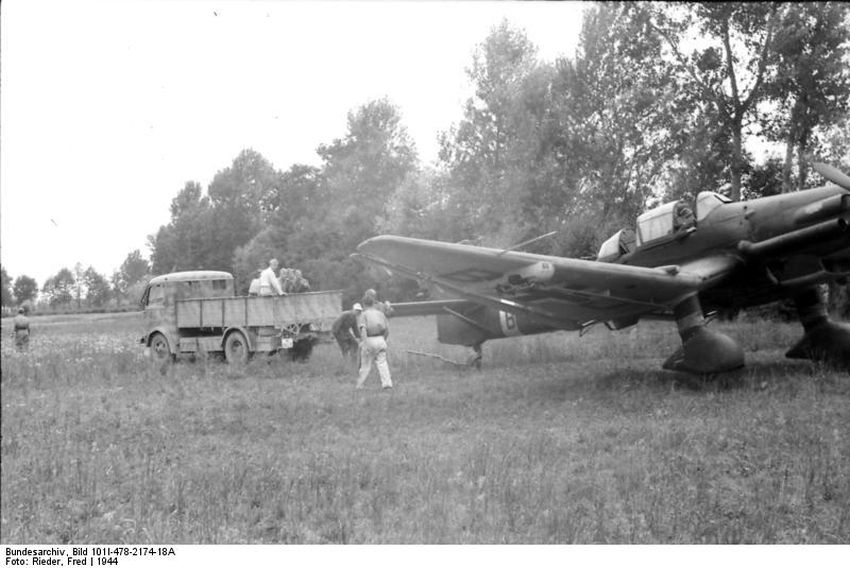
Therefore, we decided to expand our research into the waters surrounding Villa Giulia, with particular attention to the part of water at the ends of the grassy avenue.
In the following weeks, we did numerous dives, more out of curiosity than to verify the information received from the elders of the village. One Sunday, during a dive, we glimpsed a piece of iron with a rather strange shape; At first glance, it looked like a piece of pot half buried in the muddy bottom of the lake. At first, we thought it to be another sign of the disrespect of the people who frequent our beautiful lake.
Moved by the usual curiosity, we extracted it from the mud; incredulous, we realized that this strange piece of iron was a German helmet, probably belonging to some soldier stationed in Villa Giulia during the occupation.
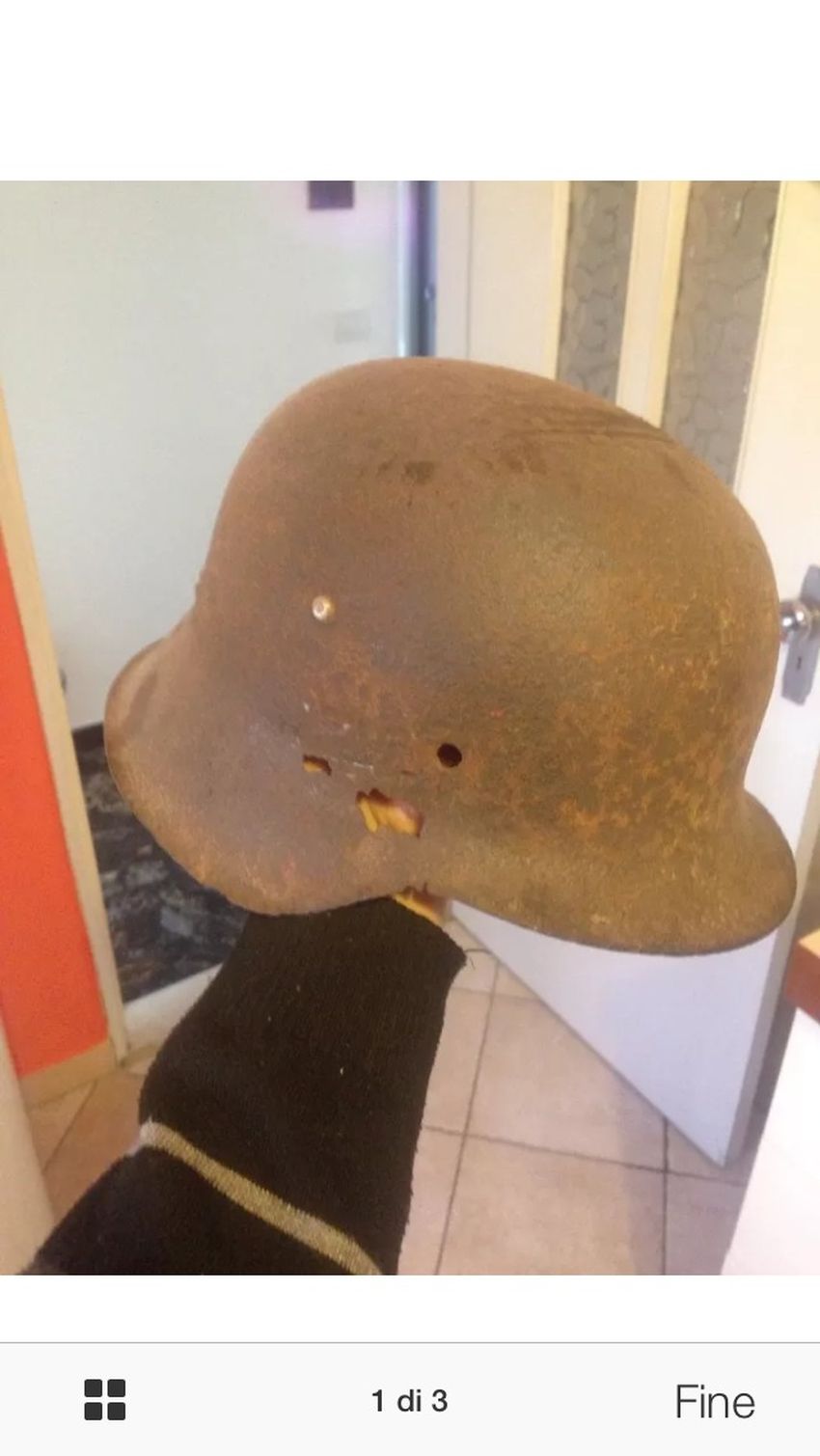
Imagine the excitement of the moment. On the wave of enthusiasm for this unexpected finding, we decided that in the coming weeks we would deepen the research, both bibliographical and in the water.
Weeks passed, numerous dives were made, no longer out of curiosity but aimed at finding other historical artifacts; however, it seemed that fate had turned its back on us.
Demoralized and with little hope, we decided to go diving on the opposite side, on the Lecco branch of the lake.
More dives to no avail. Time passed, but our desire for other finds remained, despite the disappointment. Stubbornness does not always pay off but, during the umpteenth dive, a shimmer foreign to the nature of the lake attracted our attention. A piece of encrusted iron with a somewhat strange shape looked at us from the bottom of the lake.
At first, it did not excite us; however, out of habit, one of us put it in the pocket of the drysuit and brought it back to the surface. There, it remained for the following days, forgotten by everyone.
Another dive was looming on the horizon and, as always, the usual rituals began: preparing the equipment, checking the cylinders and gases, folding the drysuits for transport. At that moment, that piece of iron, forgotten in the pocket days before, fell to the ground.
Out of habit, we began to clean the object from the encrustations left by time spent at the bottom of the lake. The more the encrustations were removed from the metal, the more the object took shape in front of our incredulous eyes.
That encrusted and shapeless piece of metal had finally revealed itself for what it really was: a German military decoration.
We immediately went back to the books to do some research, and it turned out to be an Iron Cross. This military decoration was distributed for exceptional merits of command and/or courage demonstrated in combat; it was distributed on the battlefields, like many other decorations. The Iron Cross of the first class was generally worn under the collar of the shirt, so that it stood out on the uniform. It could also be used as a brooch cross or was passed in a ribbon and placed in the second eyelet of the uniform.
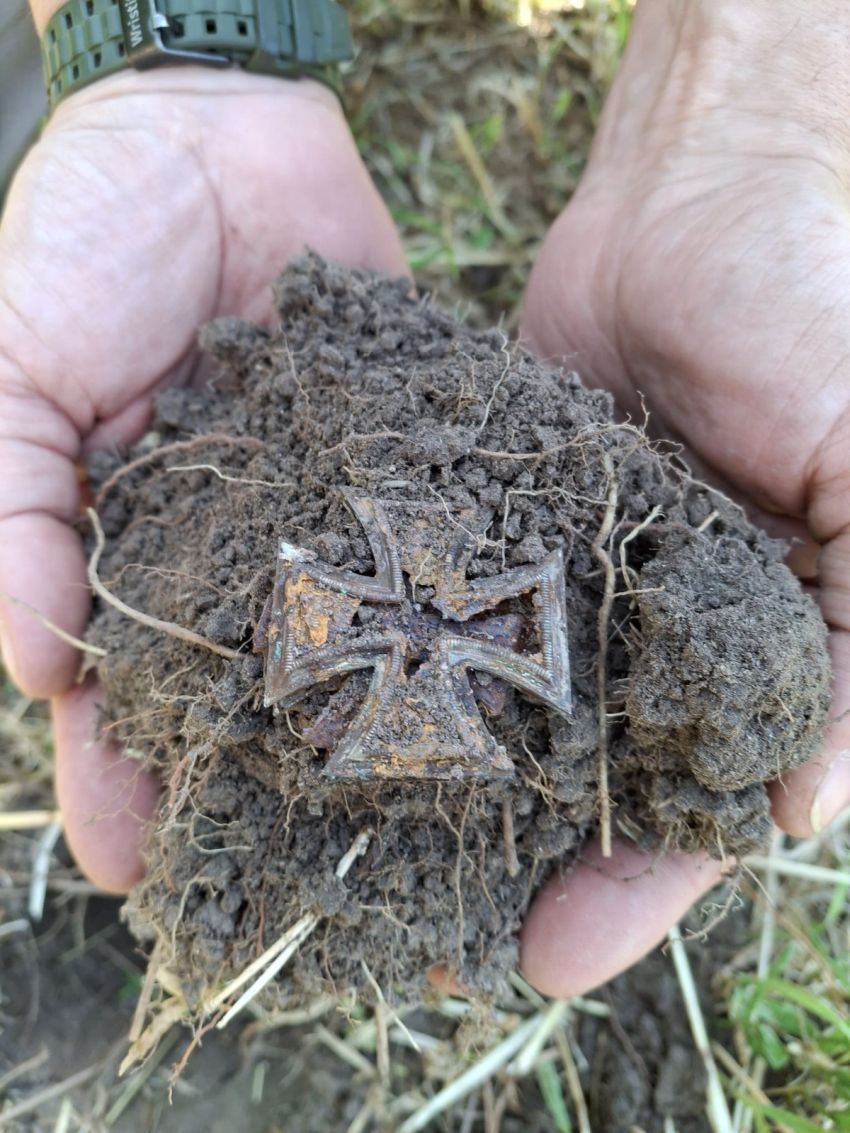
This unexpected and great discovery confirmed the research we had done up to that point.
With new enthusiasm, we did other dives in the stretch of water overlooking Villa Giulia on both branches of the Lario. We also further deepened the bibliographical research, hoping to find new clues for future dives.
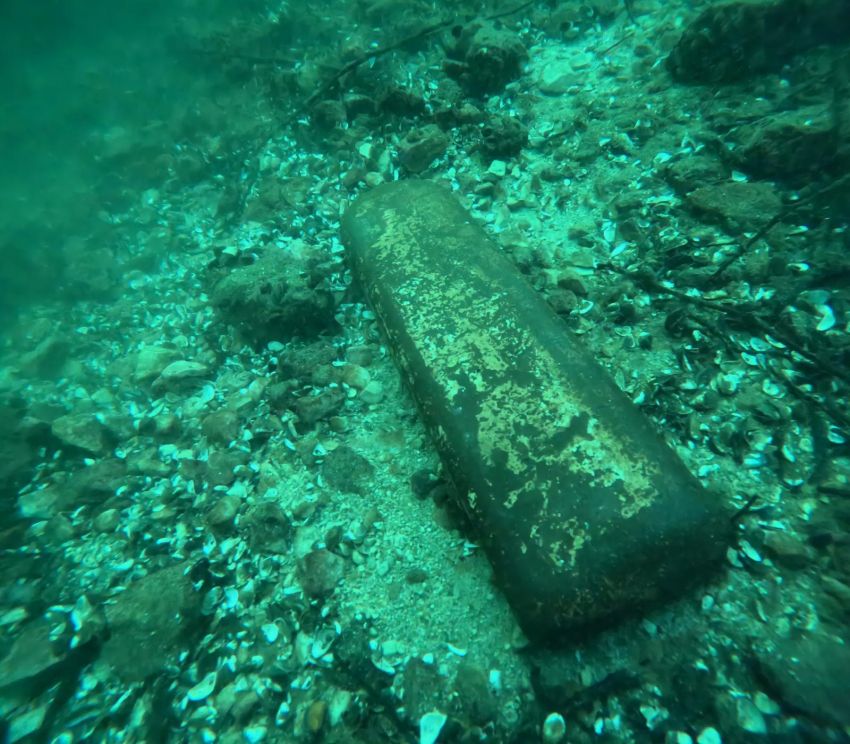
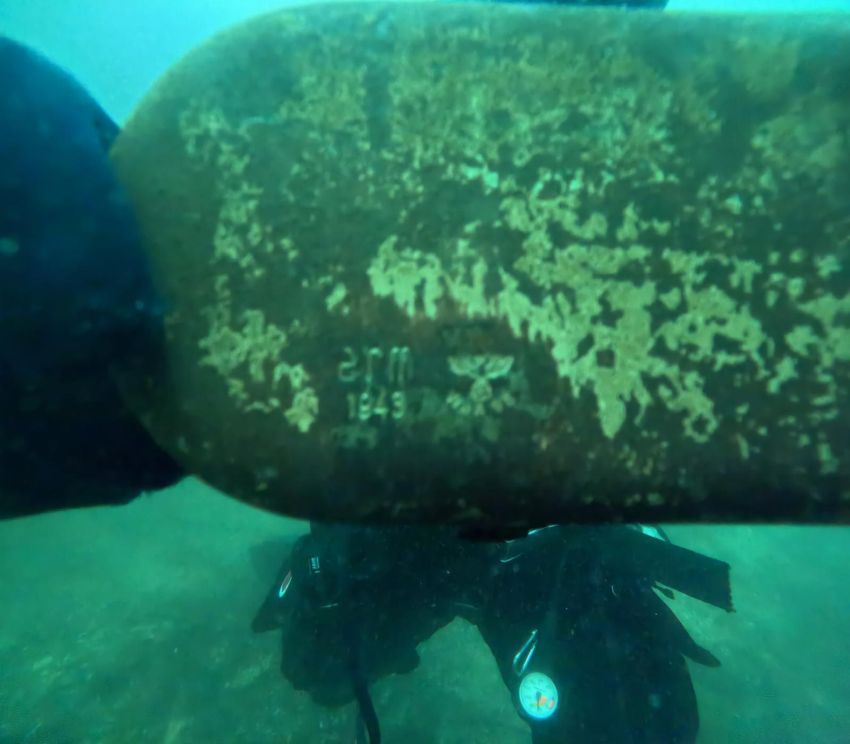
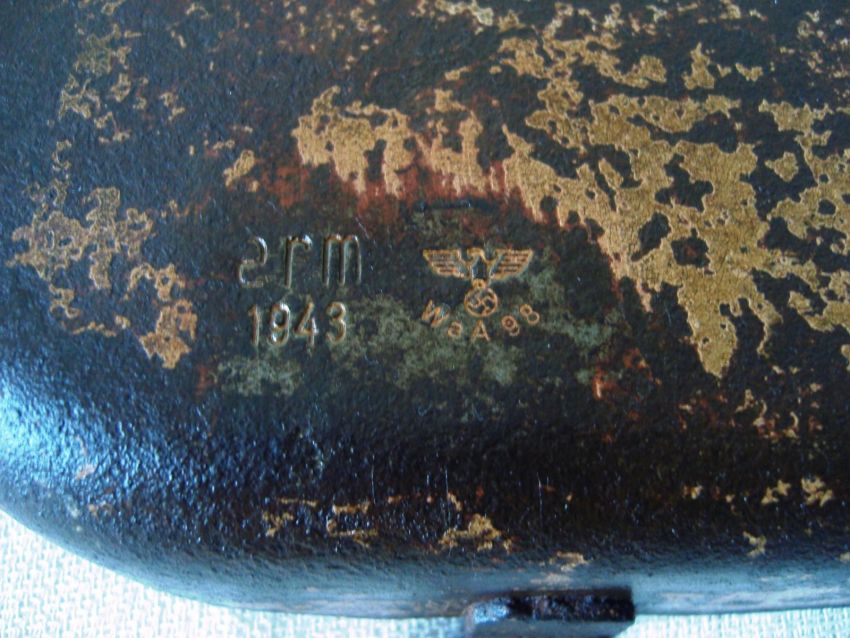
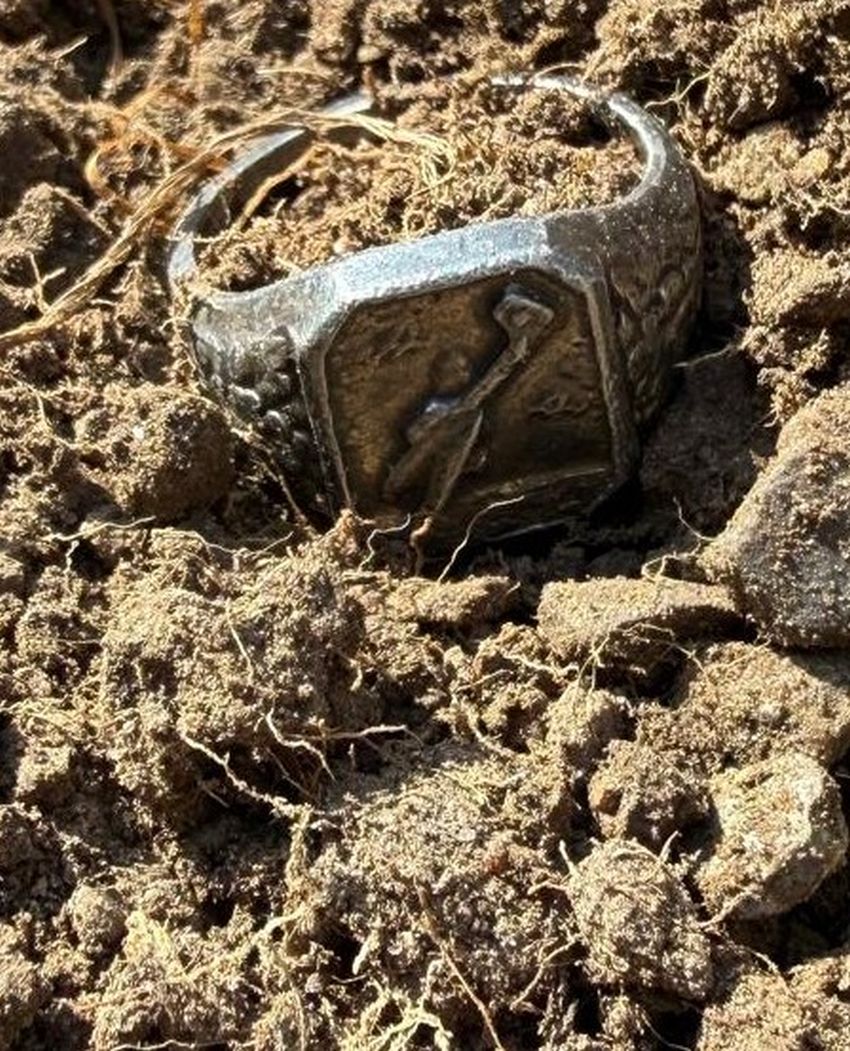
Time proved us right. Other findings included another Iron Cross, some pocket decorations, pieces of an officer’s hat frieze, an identification plate of a German soldier and a pilot’s ring engraved with the initials of the pilot and the squadron. These relics were found at the end of the runway on the aircraft parking side, where Villa Giulia is located. Furthermore, a lid of a German ammunition box was found on the opposite side, where the anti-aircraft was probably positioned.
The lake always gives us great emotions, and we can only enjoy these gifts.
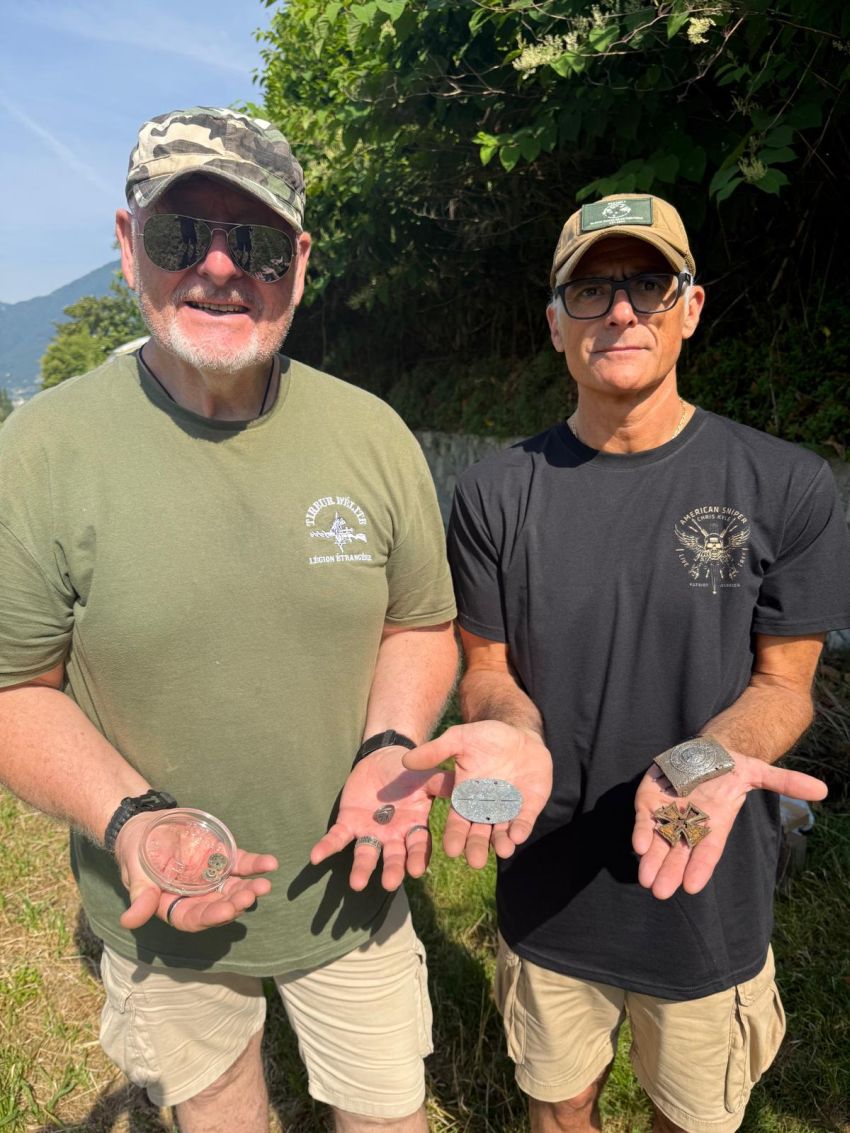
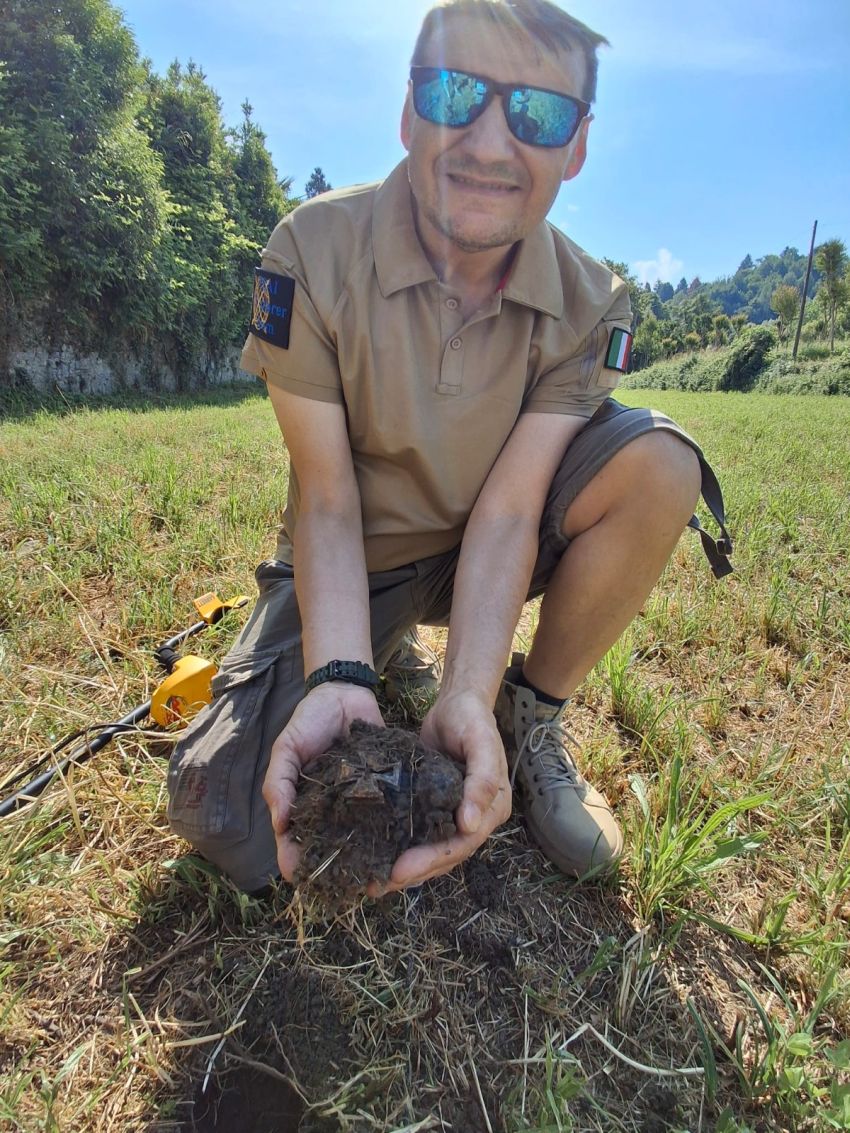
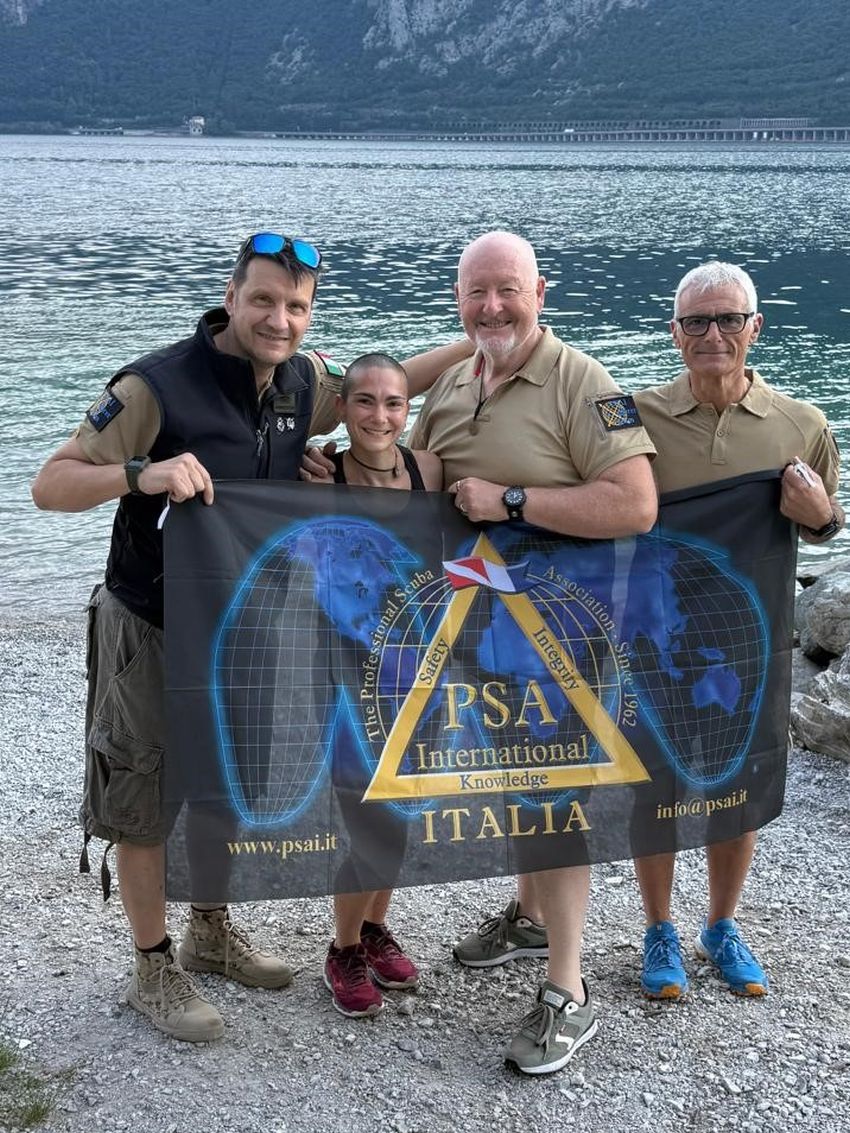
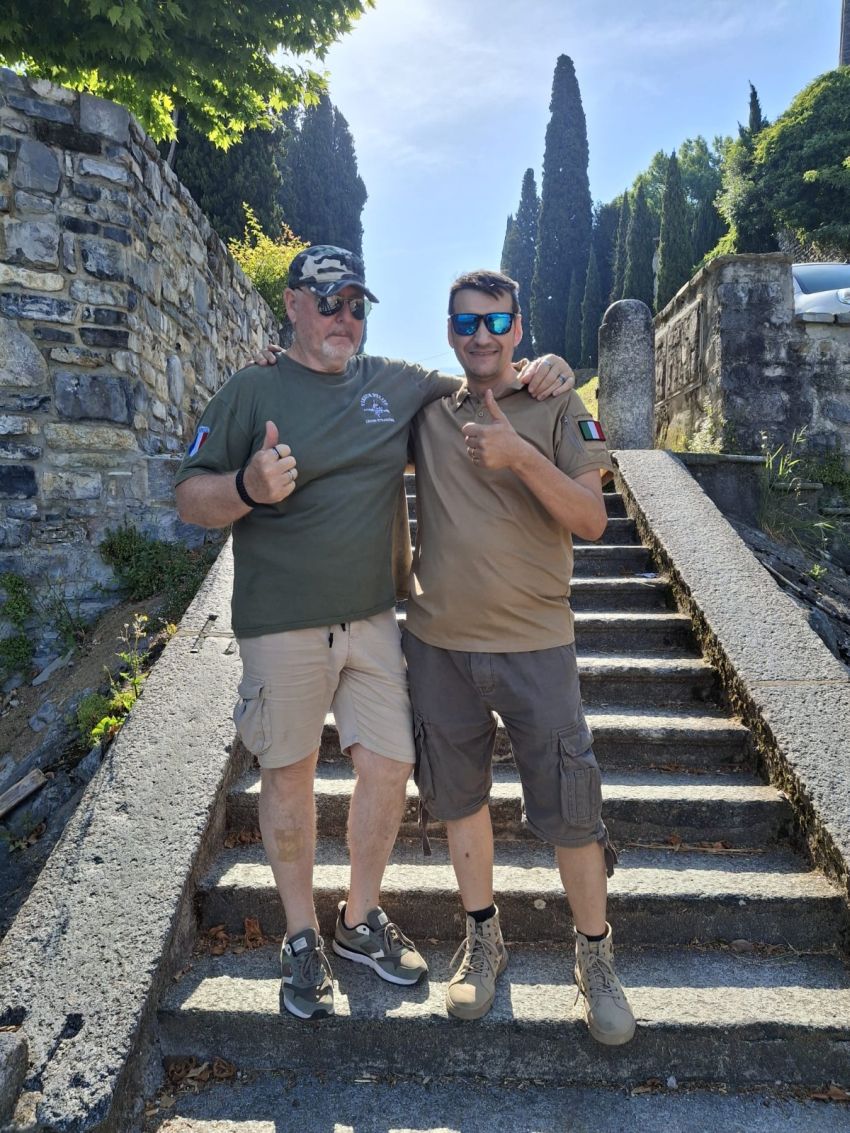
Members of the PSAI Explorer Team
Leonardo Canale: Head of PSAI Italy
Marco “Schwarzy” Arrigoni: PSAI Technical and Recreational Instructor, expert in field research. He did the expedition “Mission 45” and discovered of the Italian submarine “Pietro Micca”.
Oscar Lodi Rizzini: PSAI Technical and Recreational Instructor, specialized in diving expeditions. Veteran of numerous expeditions, expert in field research, expert in underwater photography and videography.
Rinaldo “Shelly” Preatoni: PSAI Technical and Recreational Instructor, expert in field research, expert in underwater photography and videography.
Sara Cernuschi: PSAI Technical Diver, expert in bibliographical research, information retrieval and translation.